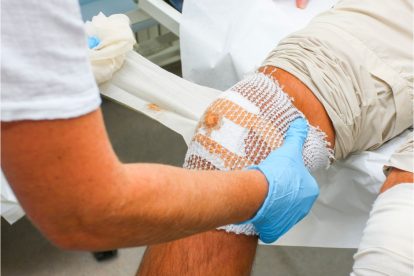
Introduction
In the vibrant area of healthcare, wound care has actually become a vital element of person administration. With numerous patients experiencing injuries every year, the demand for competent specialists, especially nurses trained in extensive injury care, has never ever been more apparent. This article explores the importance of thorough wound care training for nurses, exploring its implications on client end results, medical care performance, and the total top quality of treatment provided.
The Value of Comprehensive Wound Care Learning Nursing
Wound care is not just regarding applying dressings; it's a complex procedure that requires specialized understanding and skills. Comprehensive wound care training furnishes nurses with the devices needed to evaluate, identify, and handle a variety of wounds properly. This training incorporates every little thing from standard injury treatment concepts to intricate persistent wound management.
What Is Injury Care Professional Training?
Wound care expert training is a structured curriculum developed to provide medical care professionals with the advanced knowledge needed to excel in taking care of wounds. This curriculum generally covers:
- Anatomy and Physiology: Comprehending skin structure and function. Types of Wounds: Differentiating between severe and persistent wounds. Assessment Strategies: Learning just how to review injuries accurately.
This specialized training is critical for establishing a deep understanding of injury recovery processes and difficulties connected with different sorts of wounds.
Why Is Wound Care Training Necessary for Nurses?
Nurses are frequently on the frontline when it involves individual treatment. They play a critical function in determining potential difficulties early on. Effective wound care training aids nurses:
Enhance Individual Results: Correctly trained nurses can dramatically minimize infection rates and boost healing times. Increase Effectiveness: Experienced staff can enhance processes associated with dressing adjustments and assessments. Boost Confidence: Well-trained nurses are extra certain in their abilities, which positively influences client interactions.Wound Treatment Training Courses Available
In today's instructional landscape, many training courses are available for registered nurses looking for to improve their skills in wound management. These training courses vary extensively based on material deepness, duration, and distribution technique:
- Basic Wound Care Training: Focuses on fundamental principles ideal for all nursing levels. Advanced Courses: Target experienced nurses wanting to specialize further. Online Certifications: Deal flexibility for working professionals.
Each program intends to empower nurses with functional skills they can apply straight in clinical settings.
Understanding Persistent Injury Treatment Management
Chronic wounds present unique obstacles as a result of their long term nature. Problems such as diabetic issues or venous lack frequently bring about complicated wound situations calling for specialized interventions. Comprehensive training enables registered nurses to recognize:
- The underlying causes contributing to chronicity. Evidence-based practices for reliable management. Patient education methods targeted at protecting against recurrence.
The Role of NDIS in Injury Care Management
The National Handicap Insurance policy Scheme (NDIS) plays a significant duty in making certain that individuals with disabilities obtain appropriate health care services including wound management. Nurses educated under this structure are much better equipped to navigate challenges offered by these clients' one-of-a-kind needs.
Innovative Techniques in Wound Care Management
With innovations in medical technology, ingenious strategies have actually arised that redefine typical methods in wound monitoring:
Negative Stress Injury Treatment (NPWT): Improves recovery by applying sub-atmospheric pressure at the injury site. Biologic Dressings: Use living cells or cells that advertise healing. Telehealth Solutions: Allow constant tracking and assessment without physical visits.Nurses efficient in these technologies are important properties within any medical care setting.
The Impact on Interdisciplinary Collaboration
Effective wound care frequently requires partnership amongst different doctor including physicians, physio therapists, and dietitians. Registered nurses learnt detailed wound management can promote communication in between team members which improves client outcomes with worked with efforts.
Challenges Dealt with Without Proper Training
Without adequate training, nurses may encounter several challenges when managing wounds:
- Inaccurate analyses leading to improper treatment plans. Increased risk of infections as a result of improper clothing techniques. Difficulty educating clients regarding self-care techniques post-discharge.
These obstacles highlight the need of comprehensive education programs designed especially for nursing experts associated with wound care management.
Frequently Asked Questions (FAQs)
1. What credentials do I need for injury care registered nurse training?
To enroll in most wound care training programs, prospects normally call for a legitimate nursing permit along with some scientific experience.
2. The length of time does it require to complete fundamental injury treatment training?
Basic programs can range from one day workshops to a number of weeks depending on the curriculum supplied by institutions or organizations giving training.
3. Can I seek online qualification for advanced wound care?
Yes! Numerous accredited companies offer on the internet qualifications that cover innovative topics appropriate for knowledgeable nursing experts trying to find versatility while studying.
4. What is included in complex wound care management training?
Complex wound care management includes sophisticated evaluation methods, therapy techniques details to persistent conditions like abscess or medical injuries, and reliable interaction abilities tailored in the direction of interdisciplinary teams.
5. Exist specific guidelines that regulate NDIS-funded services related to wound care?
Yes! NDIS has actually established guidelines laying out service provisions guaranteeing individuals obtain appropriate assistance tailored especially towards their needs including those calling for considerable wound administration interventions.

6. How does detailed training influence my occupation as a nurse?
Comprehensive training enhances your capability making you extra affordable within your field while likewise boosting job complete satisfaction through boosted skills when taking care of challenging situations including patients suffering from different kinds of wounds.
Conclusion
In final thought, The Significance of Comprehensive Wound Care Training in Nursing can not be overemphasized; it is crucial not just for boosting individual nurse proficiency yet also boosting general individual health and wellness end results within health centers or community settings alike! As health care continues developing toward a nursing wound care training lot more customized duties concentrated around top quality as opposed to amount alone-- wound care know-how will undoubtedly function as one essential differentiator among nursing experts aiming quality within this specialized area!

By investing time into specialist growth via credible programs covering both basic techniques along with sophisticated methods-- the nursing workforce stands poised all set take on future obstacles head-on while supplying outstanding levels helpful solution anywhere needed most!